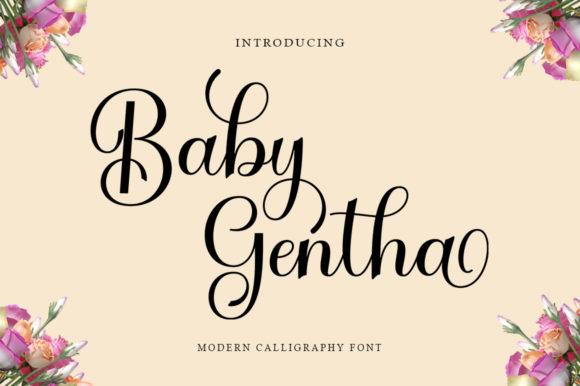
Baby Gentha: Elevating Designs with Handwritten Charm
In the crowded landscape of digital content, visual hierarchy and typographic personality are often the deciding factors between a design that blends in and one that stands out. For creators who value authenticity, warmth, and a personal touch, Baby Gentha offers a compelling solution. This beautiful handwritten font is designed to make your ideas feel more realistic and human. It bridges the gap between sterile corporate typography and genuine artistic expression, allowing you to create spectacular designs that resonate on an emotional level.
Unlike rigid sans-serifs or formal serifs, Baby Gentha brings a sense of immediacy and intimacy to any project. Whether you are designing a wedding invitation, a blog header, or a social media graphic for a small business, the right typeface can set the tone before the viewer even reads the text. This guide explores how this specific font works, why its technical features matter, and how different professionals can leverage it to enhance their work.
The Appeal of Handwritten Typography
Why do we gravitate toward fonts that look like they were written by hand? The answer lies in psychology. Handwritten typefaces evoke feelings of trust, creativity, and approachability. They suggest that a real person was involved in the creation process, which is crucial in an era where AI-generated content is becoming increasingly common. By using a font like Baby Gentha, designers signal that there is a human voice behind the message.
This font is not just about aesthetics; it is about communication. When used correctly, it softens hard edges and makes information feel less transactional. However, handwriting fonts can be tricky. If overused, they become difficult to read. If underused, they might get lost. Understanding the balance is key to effective design.
Technical Accessibility: The Power of PUA Encoding
One of the most significant advantages of Baby Gentha is its encoding structure. It is PUA encoded, which stands for Private Use Area. In standard font files, certain characters are reserved for specific symbols, arrows, or special punctuation. The PUA space allows font developers to pack additional glyphs—such as swashes, ligatures, alternate letters, and decorative elements—into the file without cluttering the standard character map.
For the end-user, this means access to a richer toolkit. You can access all of the glyphs and swashes with ease. Instead of being limited to basic A-Z and 0-9, you have access to flourishes that can turn a simple headline into a piece of art. This flexibility is particularly valuable for:
- Graphic Designers: Who need unique accents to differentiate client brands.
- Illustrators: Who want to integrate text seamlessly into hand-drawn compositions.
- Hobbyists: Who are creating custom gifts or scrapbooks and want a polished look without hiring a professional.
While some users find navigating PUA fonts intimidating at first, modern design software has made this process much smoother. Most platforms allow you to open a glyph panel where you can visually select these special characters, ensuring that even those with less technical expertise can utilize the full potential of the font.
Audience Perspectives: Who Benefits from Baby Gentha?
Different professionals evaluate typography based on their specific priorities. For some, speed is everything; for others, uniqueness is paramount. Here is how various groups might interact with Baby Gentha.
Beginners and Hobbyists
For someone starting their journey in graphic design or content creation, learning to choose the right font can be overwhelming. There are thousands of options available, and knowing which ones pair well together is a skill developed over time. Baby Gentha simplifies this decision. Because it has such a distinct personality, it often serves as a focal point. Beginners can use it for headlines or short quotes, relying on its strong visual presence to carry the design.
The primary benefit here is ease of use. You do not need to spend hours searching for the perfect script to add a personal touch. The font delivers immediate results. Furthermore, because it is PUA encoded, beginners can experiment with swashes to see how different variations affect the mood of their project, turning the learning process into a creative exploration.
Freelancers and Small Business Owners
Entrepreneurs often wear many hats. They need materials that look professional but also reflect their brand’s unique identity. A generic template can make a small business look like a faceless corporation. Using Baby Gentha in branding materials—such as logos, packaging labels, or email signatures—can inject warmth and authenticity into the brand voice.
Practical Example: A freelance baker might use Baby Gentha for the name on their cake boxes. The handwritten style mimics the idea of "home-baked" goods, reinforcing the quality and care put into the product. It suggests that every item is made by hand, which aligns perfectly with the product itself.
For marketers, the priority is often conversion. Studies show that personalized, human-centric designs can increase engagement. By using a font that feels personal, businesses can foster a stronger connection with their audience, potentially leading to higher customer loyalty.
Educators and Content Creators
In the realm of education and blogging, clarity is king, but engagement is queen. Textbooks and long-form articles rarely use handwritten fonts for body text due to readability concerns. However, educators and bloggers can use Baby Gentha strategically to highlight key concepts, create engaging slide decks, or design downloadable resources like worksheets and certificates.
Use Case: An online course creator might use Baby Gentha for module titles or certificate templates. This adds a sense of achievement and celebration to the learning experience. It transforms a digital document into something that feels like a tangible reward.
Professional Designers and Publishers
Experienced designers know that every pixel counts. For them, the value of Baby Gentha lies in its versatility and the depth provided by its PUA encoding. They can use the base characters for clean, readable headings and switch to swashes for emphasis or decorative purposes. The ability to mix standard glyphs with ornamental alternatives allows for complex typographic hierarchies without introducing multiple font families.
This approach maintains design cohesion. Instead of mixing three different scripts to achieve a layered look, a designer can use one font family with varied weights and glyphs. This reduces file size and ensures consistent kerning and spacing, which is critical for high-quality print publications.
Best Practices for Implementation
To get the most out of Baby Gentha, consider these practical tips regardless of your skill level.
- Limit Body Text: Handwritten fonts are best used for display purposes. Keep paragraphs in a neutral sans-serif or serif font to ensure readability.
- Pair Thoughtfully: Pair Baby Gentha with clean, minimal fonts. Avoid pairing it with other busy or decorative typefaces, as this will create visual clutter.
- Utilize Swashes Wisely: Use the PUA-encoded swashes to accentuate single words or initials. Overusing them can make the design look chaotic rather than elegant.
- Consider Context: Ensure the font matches the tone of your project. It is perfect for creative, personal, or informal contexts, but may be inappropriate for legal documents or serious news reports.
Evaluating Long-Term Value
When selecting a font, it is important to think about longevity. Trends come and go, but classic handwritten styles tend to endure. Baby Gentha’s aesthetic is timeless enough to remain relevant across seasons and trends. For businesses investing in branding, this means the font will likely remain a viable asset for years, reducing the need for frequent rebranding.
Additionally, the technical robustness of PUA encoding ensures compatibility. As long as the font file is embedded or installed, the special characters will render correctly. This reliability is crucial for publishers who distribute digital assets across multiple platforms and devices.
Conclusion
Baby Gentha is more than just a pretty font; it is a tool for enhancing communication. By offering a blend of handwritten charm and technical flexibility through PUA encoding, it serves a wide range of users from beginners to seasoned professionals. Whether you are looking to add a personal touch to a hobby project, build a warm brand identity, or create engaging educational materials, this font provides the aesthetic foundation needed to make your ideas feel real and relatable. Evaluate your specific needs, experiment with its glyphs, and let the typography speak for your message.