Elevating Brand Identity: The Strategic Value of Calistha in Modern Design Workflows
In the rapidly evolving landscape of digital and print media, typography has transcended its traditional role as a mere vessel for text. It has become a primary vehicle for brand personality, emotional resonance, and visual hierarchy. For professionals, creators, entrepreneurs, and marketers, the choice of typeface is no longer just an aesthetic decision; it is a strategic one. Amidst a sea of geometric sans-serifs and rigid slab serifs, there is a growing demand for fonts that offer humanity, elegance, and distinct character. This is where Calistha enters the conversation—a thin lettered, lovely, and fashionable script font designed to meet the nuanced needs of contemporary design.
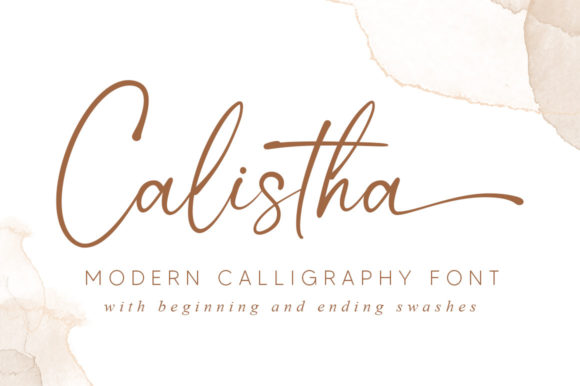
Calistha is not merely a decorative element; it is a sophisticated tool for communication. Defined by its delicate strokes and flowing curves, this font embodies a sense of grace that resonates with modern consumers who value authenticity and refined aesthetics. Whether you are designing a luxury wedding invitation, crafting a high-end fashion lookbook, or building a personal brand portfolio, understanding the specific capabilities of Calistha can significantly elevate your output. This article explores the practical applications, technical advantages, and market relevance of using Calistha in professional workflows.
Understanding the Anatomy of Calistha
To appreciate the utility of Calistha, one must first understand its structural identity. As described, Calistha is a thin lettered script font. In typography, "thin" or light weights are often associated with elegance, femininity, and exclusivity. Unlike bold, heavy scripts that demand attention through volume, Calistha commands respect through subtlety and precision. Its "lovely" and "fashionable" classification places it firmly within the realm of editorial and lifestyle design, making it ideal for brands that wish to project sophistication without appearing ostentatious.
The font’s versatility is further enhanced by its encoding. Calistha is PUA encoded, a technical feature that allows designers to access all glyphs and swashes with ease. PUA, or Private Use Area, encoding is a method used in Unicode to assign characters that do not have standard code points. While this might sound technical, the practical implication for the user is profound. It means that every flourish, alternate character, and decorative swash is integrated directly into the font file. There is no need for third-party tools or complex workarounds to achieve the full visual potential of the typeface. This accessibility streamlines the creative process, allowing designers to focus on composition rather than technical troubleshooting.
The Shift Toward Handcrafted Aesthetics
Why is a font like Calistha gaining traction now? The answer lies in broader consumer trends. In an era dominated by algorithmic content and AI-generated imagery, there is a palpable hunger for human touch. Consumers are increasingly drawn to designs that feel personal, artisanal, and handcrafted. Script fonts serve this desire by mimicking the irregularities and fluidity of human handwriting.
However, not all script fonts are created equal. Many traditional scripts suffer from poor legibility or clashing styles. Calistha addresses these pain points by balancing artistic flair with functional readability. Its thin weight ensures that it does not overwhelm accompanying imagery or body text, making it an excellent choice for pairing with robust sans-serif or serif fonts. This balance is crucial for modern layouts, which often rely on mixed-typography hierarchies to guide the user’s eye.
Practical Applications Across Industries
The adaptability of Calistha makes it relevant across a diverse range of industries. Let us explore how different professionals can leverage this font to enhance their projects.
- Fashion and Beauty: For fashion designers and beauty brands, visual appeal is paramount. Calistha’s fashionable script style aligns perfectly with the aspirational nature of these industries. It is ideal for logo design, campaign headlines, and packaging labels where a touch of glamour is required. The swashes available via PUA encoding allow for custom monograms and signature-style logos that convey exclusivity.
- Wedding and Event Planning: The wedding industry relies heavily on typography to set the tone for celebrations. Calistha’s lovely and delicate characteristics make it a top choice for invitations, save-the-dates, and menu cards. The thin lettering adds a sense of lightness and romance, while the variety of swashes provides enough variation to keep designs fresh and engaging throughout the stationery suite.
- Personal Branding and Freelancing: For freelancers, consultants, and influencers, their personal brand is their currency. Using a distinctive font like Calistha in social media graphics, email newsletters, and website headers can help establish a unique visual identity. It signals attention to detail and a commitment to quality, traits that clients value highly.
- Lifestyle and Hospitality: Boutique hotels, cafes, and lifestyle blogs often use typography to create an atmosphere. Calistha can be used for signage, menu headings, and blog post titles to evoke a sense of calm and refinement. Its versatility allows it to fit seamlessly into minimalist designs as well as more ornate, vintage-inspired layouts.
Technical Advantages and Workflow Efficiency
Beyond aesthetics, the technical specifications of Calistha contribute to its appeal among professionals. The PUA encoding system, while sometimes viewed with skepticism due to compatibility concerns in older software, offers significant benefits when managed correctly. By accessing all glyphs and swashes directly, designers can maintain consistency across their projects without relying on external graphic elements.
This integration leads to several practical advantages:
- Speed and Efficiency: Designers spend less time searching for assets and more time creating. The ability to toggle between standard letters and decorative swashes within the same font family accelerates the prototyping phase.
- File Size Management: Because all variations are contained within a single font file, there is no need to import multiple PNGs or SVGs for text effects. This keeps project files lighter and easier to share with clients or developers.
- Scalability: As a vector-based font, Calistha scales infinitely without loss of quality. This is essential for responsive web design and large-format printing, ensuring that the thin lines remain crisp and clear at any size.
It is important for users to ensure their design software supports PUA-encoded fonts. Most modern applications, including Adobe Creative Cloud, Affinity Suite, and Canva Pro, handle these fonts effectively. However, always test your designs in the final output medium to guarantee that the swashes render as intended.
Integrating Calistha into Broader Design Trends
The rise of Calistha reflects a larger movement in design toward hybrid aesthetics. We are seeing a blending of digital precision with analog warmth. This trend is driven by the need for brands to stand out in saturated markets. When every competitor uses similar geometric fonts, a script like Calistha provides immediate differentiation.
Furthermore, the emphasis on "fashionable" design ties into the concept of trend-driven creativity. Social media platforms like Pinterest and Instagram play a huge role in shaping design preferences. Visual content that feels curated and stylish performs better in terms of engagement. Calistha’s inherent elegance makes it a favorite for creating shareable content that appeals to visually literate audiences.
Marketers should also consider the psychological impact of thin, script typography. Research suggests that lighter weights are perceived as more trustworthy and approachable, while script styles are associated with creativity and emotion. By combining these attributes, Calistha helps brands communicate both reliability and personality simultaneously.
Best Practices for Using Calistha
To maximize the effectiveness of Calistha in your designs, consider the following best practices:
- Prioritize Whitespace: Thin fonts require breathing room. Avoid cluttered backgrounds and ensure ample whitespace around text to let the delicate strokes shine.
- Pair Wisely: Since Calistha is a display font, it should not be used for long blocks of body text. Pair it with a clean, neutral sans-serif or serif font for readability. The contrast between the script and the body text creates a dynamic visual rhythm.
- Use Swashes Sparingly: While the PUA-encoded swashes are tempting, overuse can lead to visual noise. Reserve them for key words, initials, or short phrases to maintain impact.
- Consider Color and Texture: The thin nature of Calistha makes it sensitive to low-contrast color combinations. Ensure sufficient contrast for accessibility, and experiment with textures like foil stamping or embossing in print to enhance the font’s luxurious feel.
Conclusion
In conclusion, Calistha represents more than just a stylish addition to a font library. It is a testament to the ongoing evolution of typography as a critical component of brand strategy. Its combination of thin, elegant lettering and accessible PUA encoding makes it a powerful tool for professionals seeking to create spectacular, memorable designs. By understanding its strengths and integrating it thoughtfully into broader design trends, creators can produce work that not only looks beautiful but also communicates effectively in today’s competitive marketplace.
As we move forward, the demand for fonts that bridge the gap between art and function will continue to grow. Calistha stands ready to meet this demand, offering a versatile, fashionable, and reliable solution for those who refuse to compromise on quality. Whether you are a seasoned designer or an entrepreneur looking to refine your brand’s voice, exploring the capabilities of Calistha is a step toward achieving design excellence.